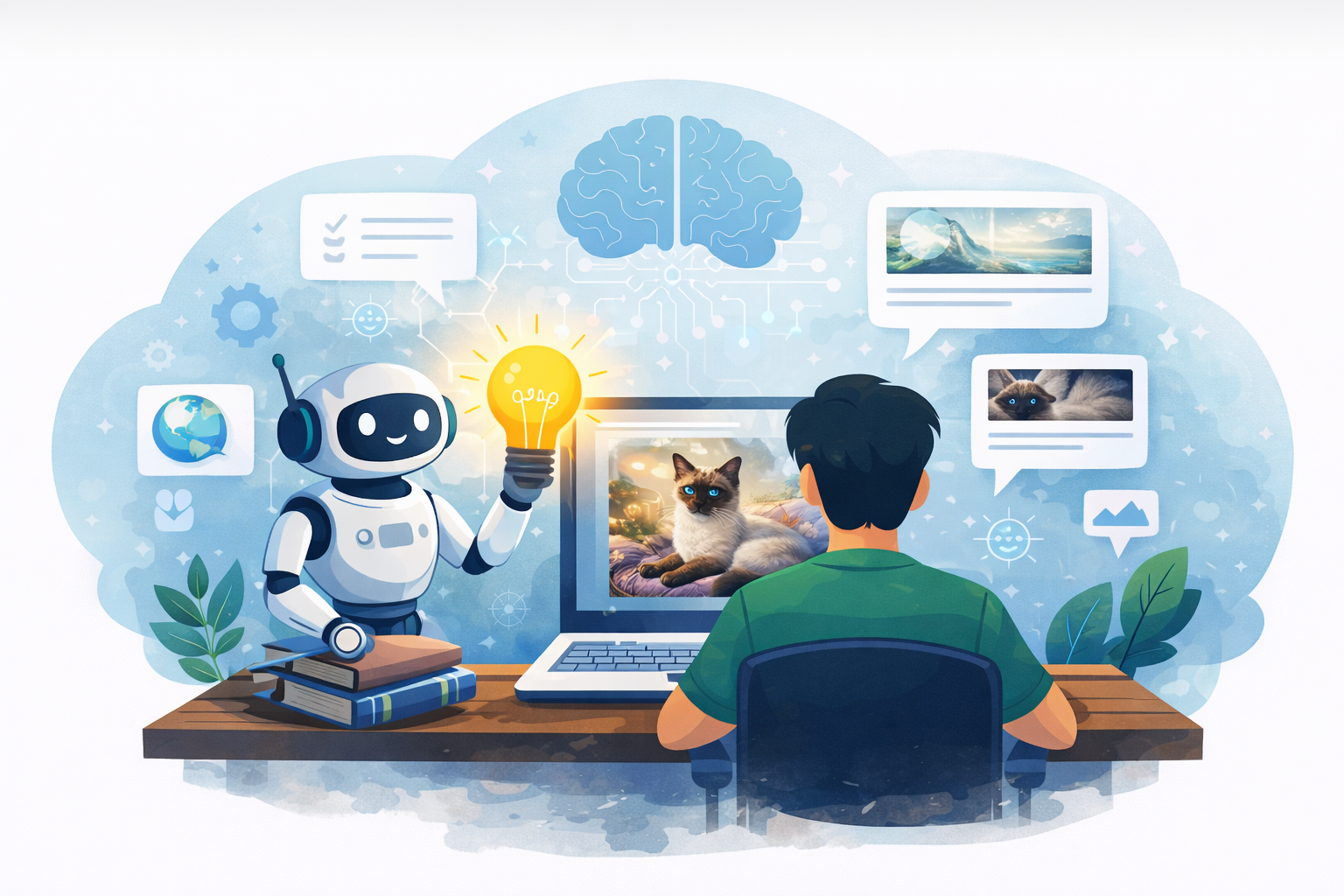
Artificial Intelligence is transforming how we create content, generate images, and automate workflows. At the center of this transformation is one powerful skill: writing effective AI prompts. A well-structured prompt acts as the communication bridge between human creativity and machine intelligence, helping AI models produce accurate, creative, and consistent results.
Whether you are creating AI art, generating marketing content, building applications, or experimenting with generative AI tools, mastering prompt engineering can significantly improve your output quality and reduce trial-and-error time.
What is an AI Prompt?
An AI prompt is the instruction or input you provide to an AI model to generate a response. The clarity, structure, and detail of your prompt directly influence the quality of the AI-generated result. Instead of giving vague instructions, providing structured and descriptive prompts helps AI understand your intent better.
The Anatomy of a High-Quality AI Prompt
A strong prompt typically includes three main components: subject, style, and technical instructions. Combining these elements allows AI models to generate more precise and visually appealing results.
Example:
Instead of writing: "a cat"
Try: "A royal Siamese cat sitting on a velvet cushion, digital art style, ultra-detailed, cinematic lighting, 8K resolution"
1. Be Specific About the Subject
Describe the main subject clearly. Use descriptive adjectives related to color, size, texture, and emotion. Mention the background environment and lighting conditions whenever possible. Specific prompts help reduce randomness in AI output.
Tips:
- Describe appearance and mood
- Specify environment or background
- Mention time of day or lighting style
- Include camera perspective if generating images
2. Experiment with Creative Styles
AI models are trained on multiple artistic and visual styles. Experimenting with styles allows you to create unique outputs. Mixing multiple styles can sometimes produce highly creative results.
Popular AI Art Styles:
- Cyberpunk
- Oil Painting
- Watercolor
- Vaporwave
- Photorealistic
- Anime Style
3. Use Technical Modifiers
Technical keywords help refine quality and depth. These are especially useful in AI image generation and video generation tools.
Common Technical Modifiers:
- Volumetric lighting
- Depth of field
- Bokeh effect
- HDR quality
- Macro photography
- Wide angle lens
Advanced Prompt Engineering Techniques
Use Negative Prompts
Negative prompts help AI avoid unwanted elements. This improves output quality and reduces visual or textual errors.
Example Negative Prompt:
blurry, low quality, distorted, extra fingers, watermark, text overlay
Iterative Prompt Refinement
AI generation is an iterative process. Start with a basic prompt, review results, then refine by adding or removing details. Small prompt adjustments can create major improvements in results.
Use Structured Prompt Formats
Using a consistent prompt structure improves repeatability. Many professionals use templates for consistent results.
Example Template:
- Subject
- Environment
- Style
- Lighting
- Quality Settings
Common AI Prompt Mistakes to Avoid
- Using very short or vague prompts
- Adding too many conflicting styles
- Ignoring lighting and environment
- Not using negative prompts when needed
- Expecting perfect results in first generation
Why Prompt Engineering is Important for the Future
As AI tools become part of everyday workflows, prompt engineering is becoming a valuable digital skill. From developers and designers to marketers and content creators, knowing how to communicate with AI effectively can increase productivity and creativity.
Final Thoughts
Mastering AI prompts is not about writing long instructions — it's about writing smart, structured, and descriptive instructions. The more you experiment, the better you understand how AI interprets prompts.
If you practice consistently, you can unlock the full potential of AI tools and create high-quality content, images, and solutions faster than ever before.
Start simple, experiment often, and refine continuously — that is the true art of mastering AI prompts.